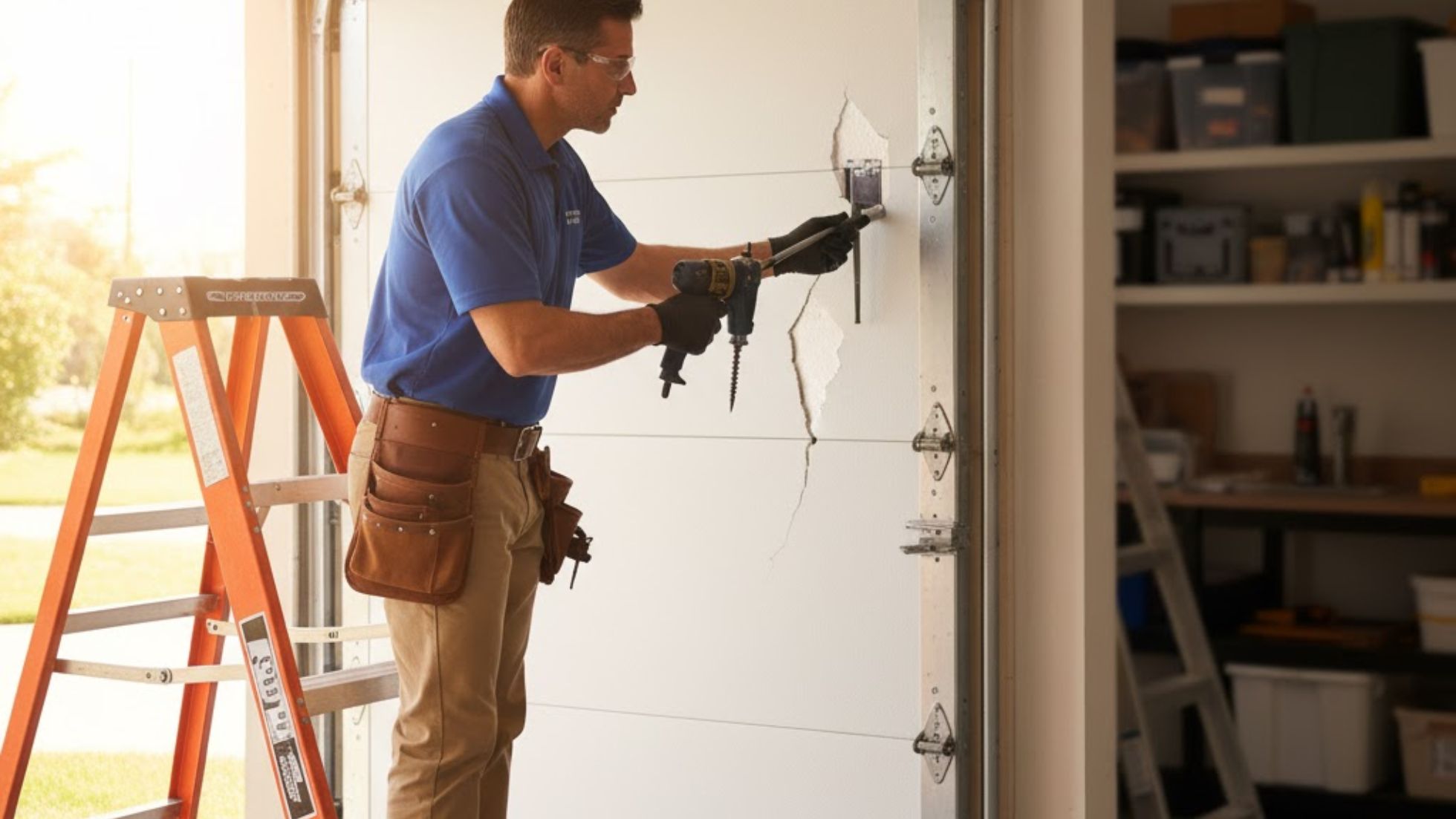
Most garage door warranties are voided before the door ever opens, not from later wear. Missing wall backing, skipped manufacturer instructions, and non-approved hardware are common reasons homeowners lose coverage during a residential garage door installation. At Southwest Doors & Gates, we install every door to manufacturer specifications using quality parts from trusted brands and provide a written estimate before work begins, so homeowners know exactly what’s included, and coverage stays intact from day one.
 What Pre-Installation Mistakes Void Garage Door Warranties?
Manufacturers tie warranty coverage to specific installation conditions, not just the door itself.
Two of the most common conditions homeowners miss:
- Missing wall backing. Many panels need wood or steel backing at set mounting points. Without it, brackets can loosen over time, and manufacturers treat this as improper installation, not normal wear.
- Skipped manufacturer instructions. Every door ships with specifications covering fastener type, torque, and clearance. Installing from general experience instead of the manual can miss a step that technically voids coverage.
Which Installation Errors Cause the Most Warranty Denials?
Common issues that can affect warranty standing during a garage door installation service include:
- Mounting brackets without the required backing
- Using hardware or fasteners not approved by the manufacturer
- Leaving gaps that let moisture reach electrical components
- Losing installation paperwork needed for a future claim
- Hiring installers unfamiliar with a specific manufacturer’s requirements
Our garage door installers follow manufacturer specifications and use approved parts on every project, which helps protect the coverage homeowners are paying for.
Do Building Codes Affect Garage Door Installation in Utah?
Yes. Garage door installation in Utah must comply with applicable building codes, including wind-resistance requirements. The 2021 International Residential Code references testing standards such as ANSI/DASMA 108 and ASTM E330 for garage door performance. Utah has adopted the 2021 IRC with state-specific amendments, so that requirements can vary based on the applicable code provisions and local conditions. Installing a door that does not meet the required wind-performance criteria can affect code compliance and may also affect warranty coverage depending on the manufacturer’s terms.
FAQs
1. Do I need to register my garage door to activate the warranty?
Many manufacturers require registration within a set window after installation. Keep your receipt and installation paperwork on hand.
2. Will a warranty transfer if I sell my home?
Some manufacturers allow a one-time transfer with proof of professional installation. Terms vary by brand.
3. Does hiring a licensed installer guarantee my warranty stays valid?
Licensing confirms an installer meets state requirements; the manufacturer sets warranty terms, so it still pays to ask how closely an installer follows the manufacturer’s instructions.
 Protect Your Investment From Day One
A warranty only holds up if the garage door installation behind it was done correctly. Southwest Doors & Gates has served Utah, Nevada, and Arizona homeowners for over 25 years with licensed, experienced technicians, high-quality parts, and a satisfaction guarantee on every job we complete.
Have questions about warranty coverage on your next garage door installation in Southwest Utah? Call our St. George team at (702) 400-1804 or email info-ut@southwestdoorsandgates.com, and we’ll walk you through what your specific manufacturer requires.